
Dryer vents
Dryer vent cleaning: signs, safety and what the job involves
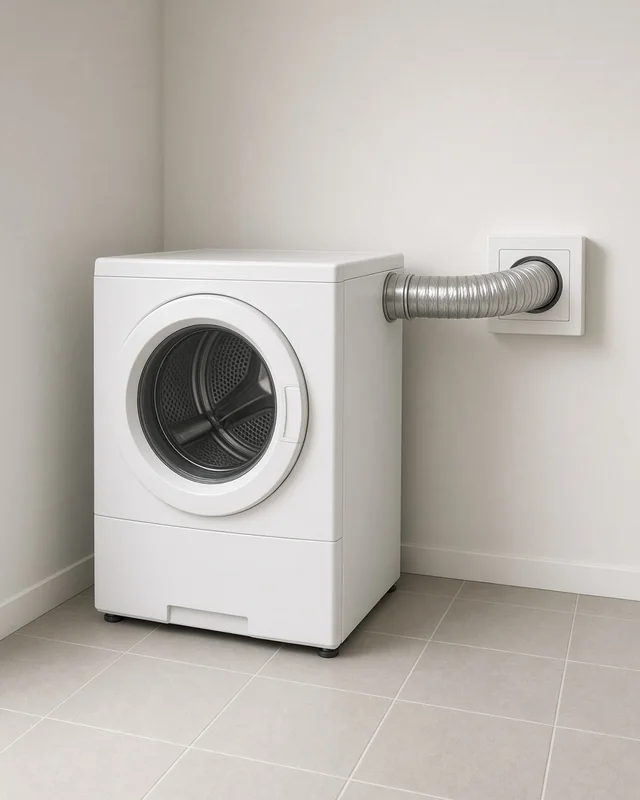
Dryer vent cleaning removes the lint that builds up in the pipe carrying hot, damp air from your dryer to the outside. The U.S. Fire Administration counted about 2,900 clothes dryer fires in homes each year, and the leading factor behind them was failure to clean. Almost every dryer vent needs cleaning from time to time.
What the fire figures say
The U.S. Fire Administration's report on clothes dryer fires in residential buildings estimated about 2,900 such fires reported to U.S. fire departments each year, causing about 5 deaths, 100 injuries and $35 million in property loss. Failure to clean was the leading factor contributing to them, at 34 percent. The items most often first ignited were dust, fiber and lint, and clothing. A clogged vent is the hidden part of that problem: the lint filter catches most lint, but the rest travels into the vent pipe, and a long, crushed or sagging run lets it settle where heat collects.
Dryer vent cleaning, step by step
Scroll through the pictures below to see the usual order of a dryer vent cleaning: the hose comes off the dryer, the vent line is brushed out, lint is cleaned from the dryer itself, and a rigid metal duct goes in where the old one needs replacing. They are illustrations made with AI to show how this work usually goes, not photos of a real home or a real job.
6 of 6
FinishedSafe and tidy
Warning signs of a clogged dryer vent
- Clothes need more than one cycle to dry, or come out damp and hot.
- The top of the dryer or the clothes feel unusually hot, or the laundry room gets warm and humid.
- A burning or scorched smell while the dryer runs.
- The outside vent flap barely opens, or you feel little air at the outside hood while the dryer runs.
- Lint collecting around the outside hood, behind the dryer, or in the lint filter's housing.
- The dryer shuts off before the cycle ends; many dryers have a high-limit switch that trips when the exhaust cannot get out.
If you smell burning, stop the dryer, unplug it if you can do so safely, and do not use it again until the vent has been checked.
What you can do yourself
Fire-safety guidance from the National Fire Protection Association (NFPA) puts most of the prevention in your hands. Clean the lint filter before or after every load, and never run the dryer without it. Remove lint from around the drum and the filter housing. Make sure the outside vent flap opens freely when the dryer runs and is not blocked by a bird's nest, snow or plants. Keep the area around the dryer clear of boxes and clothes. And do not leave the dryer running when you go out or go to bed.
The short transition hose behind the dryer is easy to check: pull the dryer out, disconnect the hose, and clear it and the first part of the wall pipe by hand or with a vent brush. Look at its material while you are there; it should be metal, not white vinyl or thin foil.
Safe vent materials
NFPA's guidance is that rigid or flexible metal venting should be used, to keep the air flow and drying time right. White plastic and thin foil accordion hoses sag, crush and trap lint in their ridges, and plastic can melt or burn. Building codes in both California and Texas require the vent itself (the run inside the wall or ceiling) to be smooth metal, with only a short, listed transition hose between the dryer and the wall. The joints should be taped, not screwed, because screw tips poking into the pipe catch lint. The outside end needs a hood with a damper and no screen, since a screen clogs with lint.
What a professional vent cleaning involves
- Check the run. Where the vent goes, how long it is, how many bends, and whether the hood opens.
- Disconnect and clean. The dryer is pulled out and disconnected; a rotary brush on flexible rods is run through the whole vent while a vacuum or the air flow carries the lint out.
- Clean both ends. The transition hose, the dryer's own exhaust outlet, and the outside hood and damper.
- Measure air flow. Many technicians check the air speed or the pressure at the hood with the dryer running, before and after.
- Report problems. Crushed sections, plastic hose, screws in the pipe, missing dampers, or a run longer than the code allows. See dryer vent inspection.
How often to clean a dryer vent
There is no single national schedule. Clean the lint filter every load, as NFPA advises. Have the vent pipe itself checked and cleaned when drying times grow, when you see any of the warning signs above, and at least once a year if your household dries many loads, the vent is long or runs up through a roof, or you share a laundry with others. A short, straight vent through an outside wall in a light-use home will need it less often.
Roof vents, long runs and condos
Vents that exit through the roof or run a long way through a building are harder: lint falls back in vertical runs, roof caps often have screens or flaps that clog, and the work involves a ladder and the roof. Many Bay Area condos and Dallas–Fort Worth apartments vent through shared risers or long horizontal runs; ask the building's management who is responsible for the vent before you hire anyone. These are the vents most likely to break the length limits in the codes, which our inspection guide explains.
Dryer vent cleaning
Dryer taking longer than it used to?
Tell us what you are seeing. We call or email you back to talk it through and, when the work makes sense, pass your request to a company that does it; it costs nothing.
Ask about your dryer vent
Tell us what you are seeing (dust, a smell, a slow dryer, a past leak or pests) and your city or ZIP. We call or email you back to talk it through and, if the work makes sense, to pass your request to a company that does it; sending this costs nothing.
Dryer vent cleaning questions
Can a clogged dryer vent cause a fire?
Yes. Lint burns easily, and a blocked vent traps it near the heat. The U.S. Fire Administration found that failure to clean was the leading factor in residential dryer fires, and that dust, fiber and lint were among the items most often first ignited. Clean the filter every load and keep the vent clear.
Is a foil or plastic dryer hose safe?
NFPA advises rigid or flexible metal venting to keep air flow and drying time right. White plastic and thin foil hoses sag and crush, trap lint in their ridges, and plastic can melt. Replace them with a short metal transition hose and a smooth metal vent pipe.
Why does my dryer take two cycles to dry clothes?
The most common cause is restricted air flow: a full lint filter, a clogged or crushed vent, or an outside flap that does not open. When hot, damp air cannot leave, clothes stay wet. Clear the filter and check the hose and hood; if drying stays slow, have the whole vent cleaned and checked.
Sources: U.S. Fire Administration, Clothes Dryer Fires in Residential Buildings (2008-2010), August 2012; NFPA, Clothes dryer safety tips.